Quick access :    Quick search :   OK
The institute partnerships Research join us
All about INRA research  | Metaprogrammes  | Some examples  | Directories  | Scientific resources  | Science in motion
 

See also

Activities of INRA's Plant Breeding and Genetics Division


Print

Tip a friend

 
Home > Research > Scientific resources > Collections > Plant

Plant genetic resource collections


© INRA, Jean Weber
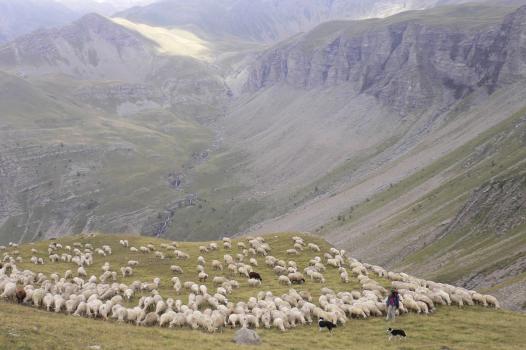
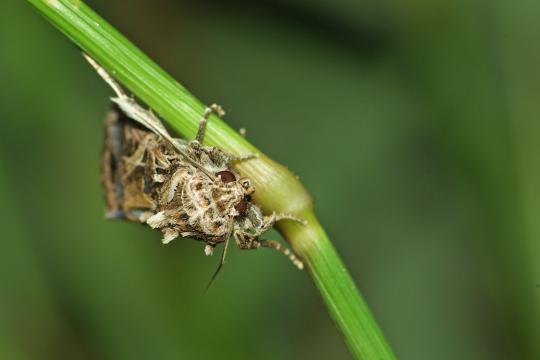
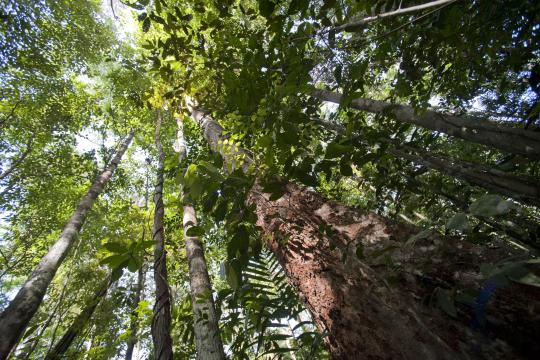
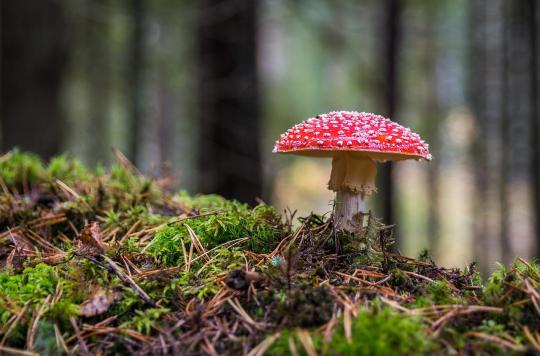
INRA manages genetic resource collections for more than 50 plant species: model plants for genome study, crop species (cereals, fodder, oilseed crops, market garden crops and fruit trees) and decorative species (lawn and ornamental plants). These collections represent significant biodiversity in the species concerned and are therefore considered of excellent quality. Created with the scientific objective of contributing to plant breeding and plant biology, the collections also provide insight into the history of agriculture and INRA research. They are considered an invaluable asset. INRA seeks to keep most of its genetic resources widely accessible.


A major resource for scientific knowledge and innovation


INRA research projects to improve crop species and to analyse genes and how they work have always required collecting, characterising and storing a wide variety of plant material. These collections have been made available to many of INRA partners for research. They provide access to original material for the most popular varieties. This material is a source of original genes to be used in breeding to meet new agricultural, nutritional and environmental demands.
Preserving and managing biodiversity is one of INRA’s missions as a public research organisation. Over the centuries, nature and humans have shaped the diversity of the genes found in crops and ornamental species. Part of these collections therefore also has cultural and historical value. INRA provides information on the genetic resources in its collections to all potential users, according to the national strategy led by the Bureau of Genetic Resources (BRG).

Well-represented biodiversity among the species


For wild plants, the genetic resources collected are natural populations of a given species and related species. These can come from different parts of the world.
For domesticated species, that is, species whose evolution has been influenced by human selection, genetic resources include: populations from different countries, old and new varieties, material obtained in the laboratory or resulting from cross-breeding (natural or artificial mutants, sterile male lines, etc.), as well as the original wild species.
A collection is considered representative if it covers the full diversity of the species, with limited redundancy. Samples collected using different methods can in fact be identical. That is why it is important to describe and characterise collections. Following this, it is possible to constitute “a core collection” made up of a small number of unique samples that are representative of a species' diversity. This approach requires thoughtful planning as to what type of diversity is to be preserved: gene and gene function diversity, individual diversity, or the heritage or cultural value of certain varieties.
INRA collections are very representative of the diversity of wild and related species and are therefore considered the foremost collections in Europe and among the most important in the world.

Scientific exchanges and legal framework


The Convention on Biological Diversity (Rio, 1992), which recognises individual governments’ responsibility with regard to the conservation of genetic resources, and the International Treaty on Plant Genetic Resources for Food and Agriculture (FAO, ratified by France in 2005), which applies to the major crop species, impose the regulation of all material exchange between countries. In France, the Bureau of Genetic Resources (BRG) is currently helping to set the conditions for access to resources and related legislation, taking into account the interests of research institutes, which also have scientific material. INRA seeks to afford extensive access to its genetic resources by disseminating information about them and making them publicly available in a timely manner.


Written by :  Communications Department
Contacts :  Jean-Marie Prospéri
Unit :  UMR1097 Joint Research Unit for Cultivated Plant Diversity and Genome - INRA - Agro-Montpellier - IRD, Montpellier
Department :  Plant Breeding and Genetics, http://www.inra.fr/gap/
Label for the news :  Topic
Date for the news :  2011.03.08
Date of creation : 07/12/2006
Date of last update : 05/09/2008


All about INRA research

Metaprogrammes

Some examples

Directories

Scientific resources


Science in motion

Head office: 147 rue de l'Université 75338 Paris Cedex 07 FRANCE - tel: +33(0)1 42 75 90 00 | copyright © INRA 2005 | Credits | Legal notice